News & insightsBlog
Interactive holograms are no longer sci-fi. From retail showrooms to operating theatres, holographic displays are quietly changing how people work, learn, and shop.
By Andre Smith, Founder & CEO, HoloconnectsPublished 10 September 2024
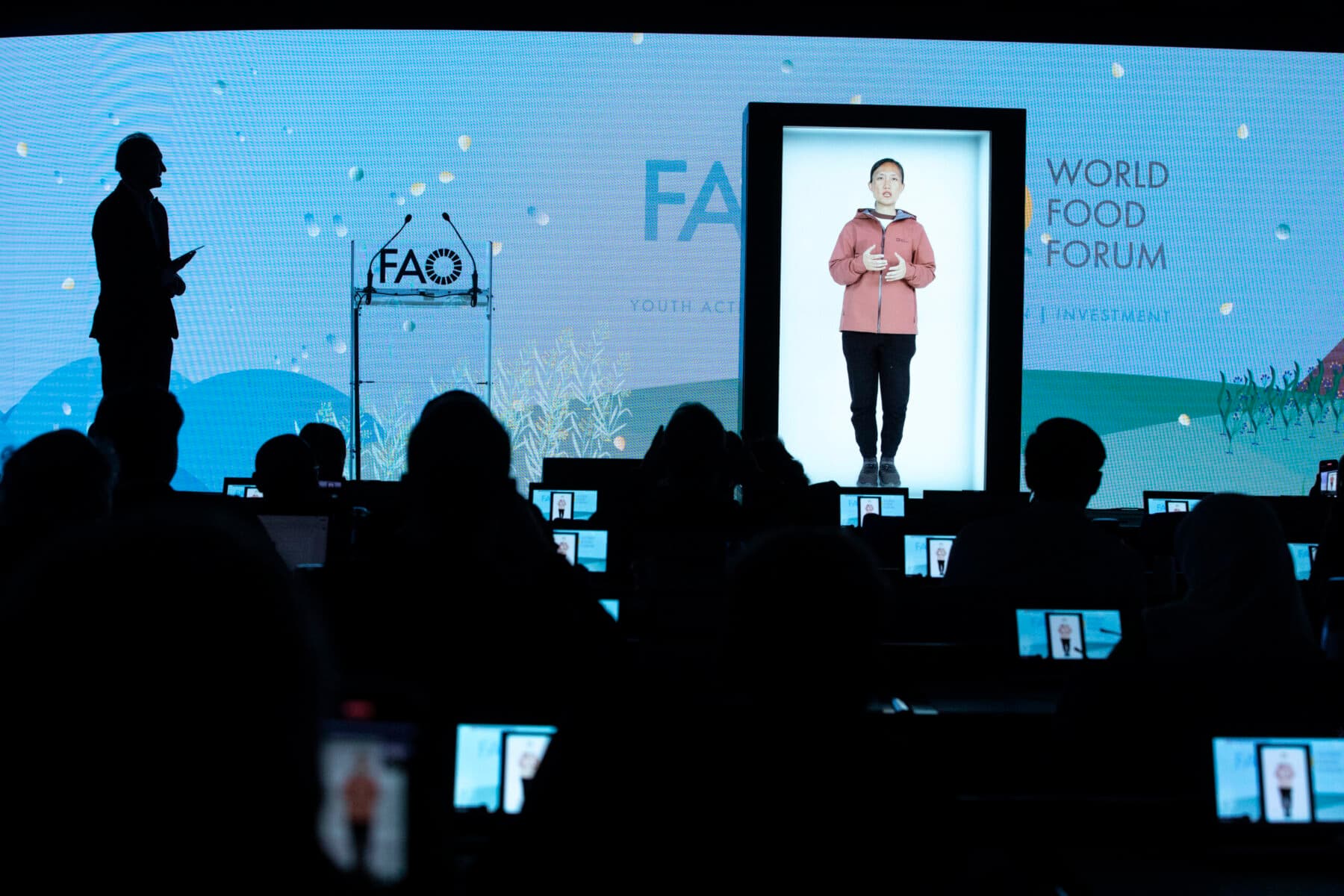
Holograms have stopped being a futuristic idea and started being a tool. From retail stores to classrooms, holographic technology is changing how we interact with information, products, and each other, without any glasses, headsets, or specialised viewing devices.
In entertainment, holograms make concerts more dynamic by bringing performers to life in stunning detail. In healthcare, they aid complex surgical procedures with detailed 3D models of patient anatomy. In communication, they let people meet across distance with more presence than a video call ever delivers.
An interactive hologram is a 3D image that appears to float in space, where users can interact with it in real time, through gestures, voice commands, or touch on a transparent display surface. The Holobox is one practical implementation: a hologram booth designed for everyday business use.
In retail, holograms are quietly revolutionising the shopping experience. A customer in a furniture store can use a holographic display to visualise how a sofa would look in their living room, rotate it, change its colour, see how it fits, without moving a single piece of furniture.
Marketing campaigns are leaning in too. A holographic ad in a station concourse or shopping mall reacts as you move past it. People stop. They watch. They remember.
In education, holograms transform how students learn. Biology classes interact with 3D holographic organs. History lessons feature holograms of figures from the past. Engineering students visualise designs before building them.
In professional training, the impact is the same: holographic surgical simulations let medical students practise without risk; holographic engineering models let teams iterate cheaper and faster than physical prototypes.
Hospitals use holograms for remote consultations, multilingual triage, and patient education, a life size hologram of a specialist beamed into a regional clinic, fully present, fully interactive. See holograms in telehealth.
Across sectors, the pattern repeats: holograms put the human back into a digital interaction, in a way that 2D screens cannot match.

