The first US hospital to bring a doctor to the bedside as a life-size hologram, seen with the naked eye, no headset.
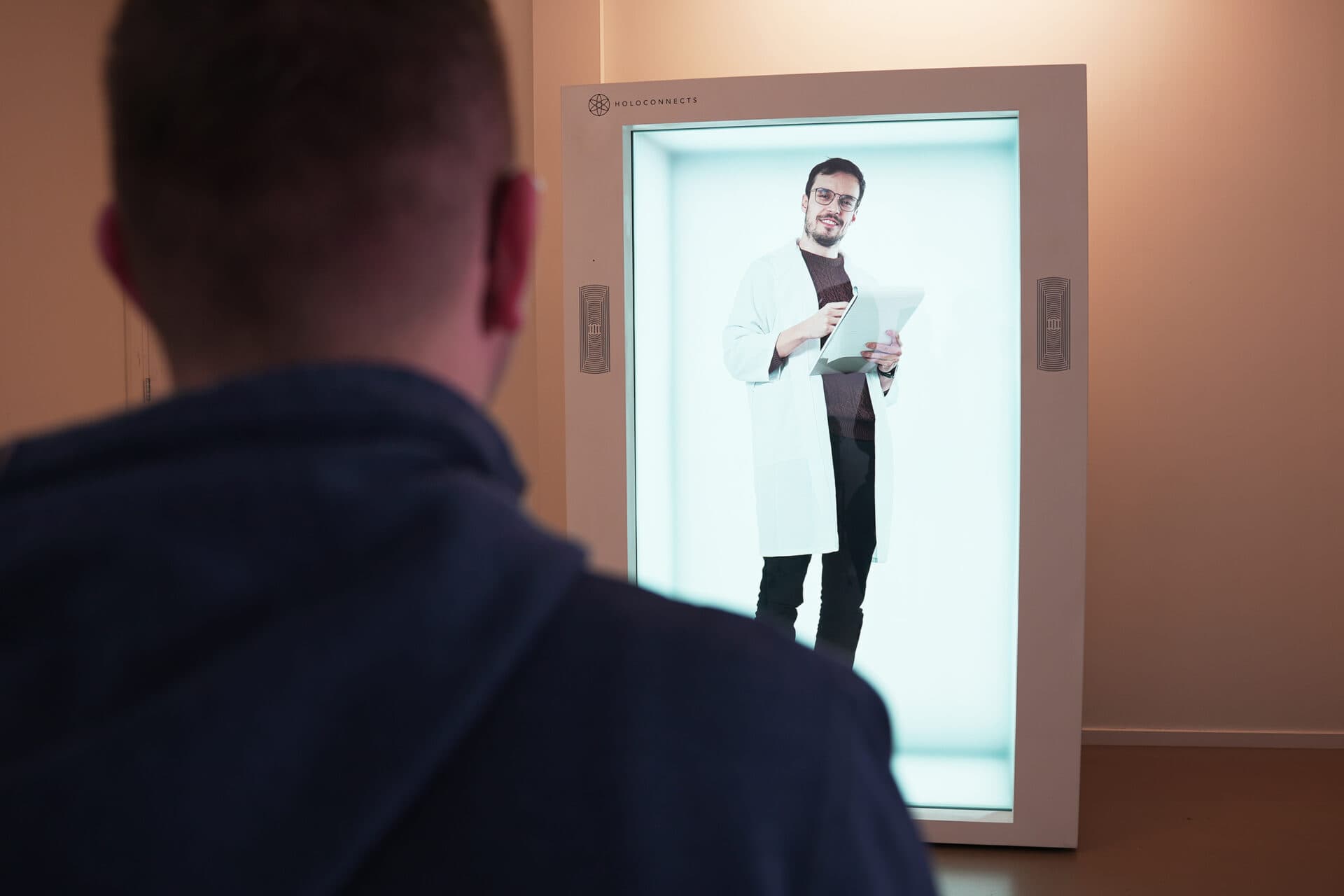
Crescent Regional Hospital, an acute-care hospital less than an hour south of Dallas, became the first hospital in the United States to use life-size holographic technology for patient care, bringing a doctor into the room as a life-size 3D hologram that patients see with the naked eye, in real time.
Crescent installed a full-size 86-inch Holobox and a video studio, and is rolling out The 22, the 22-inch Holobox Mini, at locations across the hospital and its associated clinics. A specialist is captured in the studio and appears, life-size and live, at the point of care: no headset, glasses or app for the patient.
Patients use hologram visits for pre- and post-surgical consultations across cardiology, emergency care, gastroenterology, neurology, orthopedic care, pulmonology, general surgery, spine health and wound care.
On-site nurses still own the patient relationship. The hologram extends the existing care team, it does not replace it. From the specialist's side the day looks like a normal clinic, except the patients are in different locations and there is no drive time between appointments.
Crescent's CEO and managing partner, Raji Kumar, said integrating the technology would shorten patient wait times, increase access to specialty-care providers, and improve patient care across multiple disciplines. Holoconnects estimates the approach can save doctors up to 20 hours a week otherwise lost to travelling between sites.
It is a concrete answer to the specialist-access problem: a patient reaches a specialist, and a specialist reaches more patients, without either travelling, and at life size, so the consultation feels present rather than like another video call.
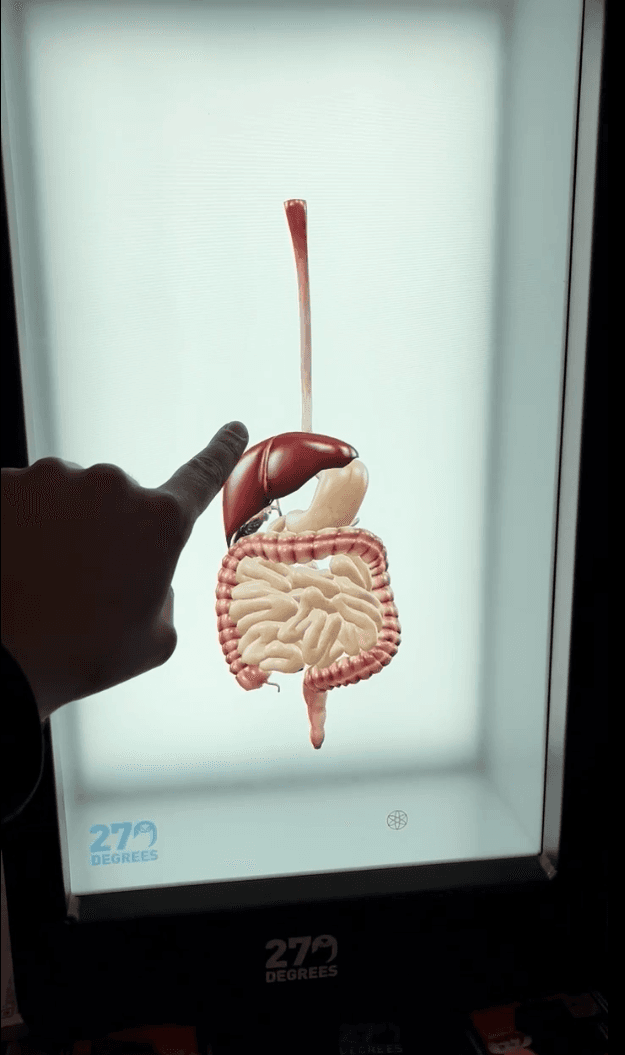
Holograms give patients clearer information, give clinicians presence across distance, and extend the reach of specialist care, at hospital, clinic, and pharmacy scale.
Read the article
El Confidencial profiles holographic care from Crescent Regional Hospital to a future where AI driven holograms support astronauts on long-duration space missions.
Read the article
The global shortage of healthcare workers is forecast to reach 10 million by 2030. Holographic specialists let one clinician serve many sites, without travel, without delay.
Read the article
