News & insightsPress
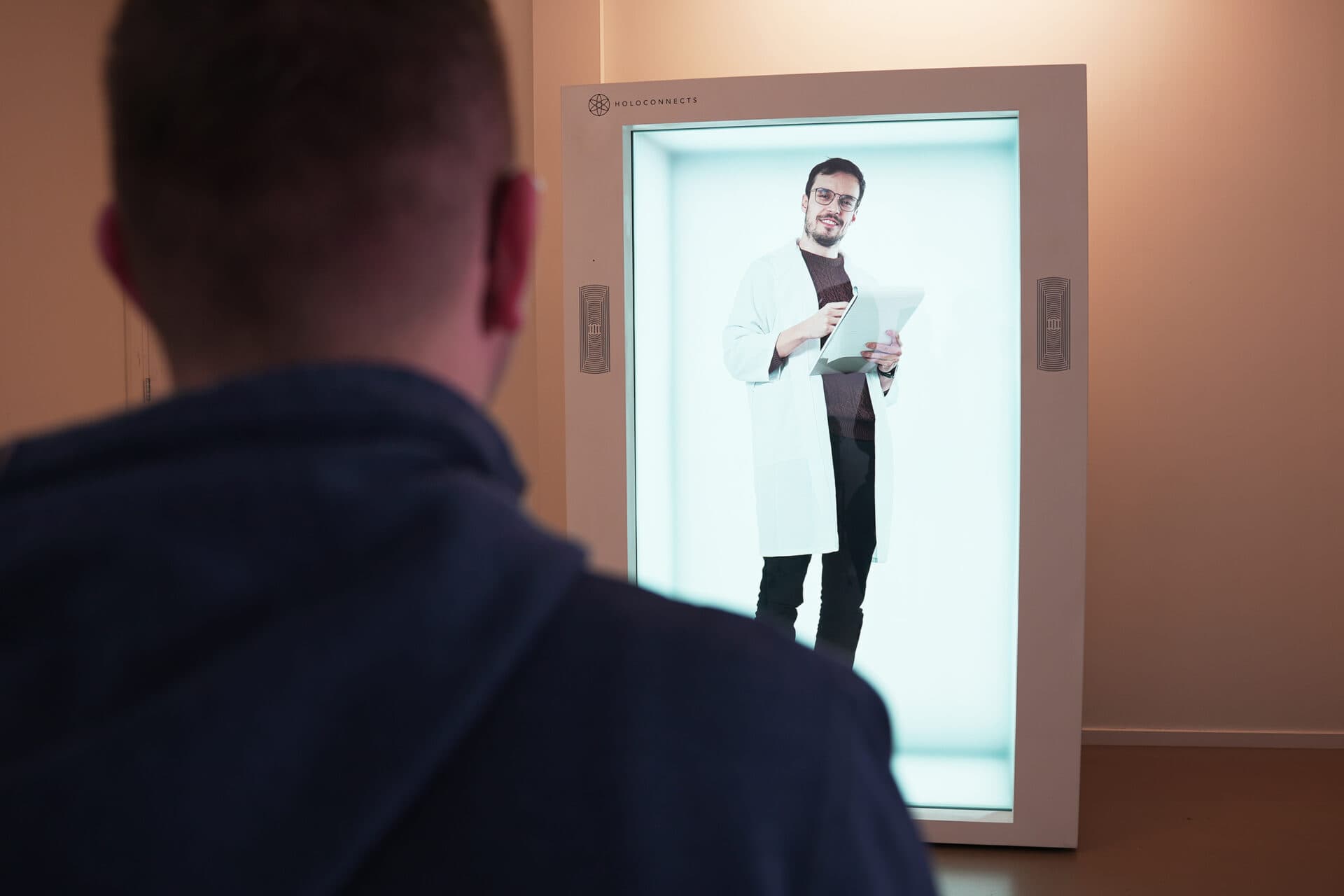
Star Trek's Voyager imagined a holographic doctor who could serve anyone, anywhere. Holoconnects' technology is the first credible real-world version.
Published 15 August 2024

In Star Trek: Voyager, the Emergency Medical Hologram was a holographic doctor activated when human physicians weren't available. He could see any patient, in any room, the moment they needed care. It was a useful piece of science fiction, the kind that quietly identifies a real-world problem (uneven access to medical specialists) and gestures at a solution that we couldn't yet build.
We can build it now. Holoconnects' Holobox brings life size, real time holographic specialists into clinics, hospitals, and pharmacies, anywhere the patient is. The doctor is real; the technology that lets the doctor appear elsewhere is what's new.
The TV version was autonomous AI. Our version is the human doctor projected as a hologram, practising real medicine, building a real patient relationship, without the geographic constraint. The clinical responsibility, the bedside manner, the continuity of care: all human. Just no longer bound to where the doctor's body happens to be.
Crescent Regional Hospital in Texas, Stroomz Pharmacy in the Netherlands, and a growing list of partners are already running this in production. The science fiction stopped being fictional.
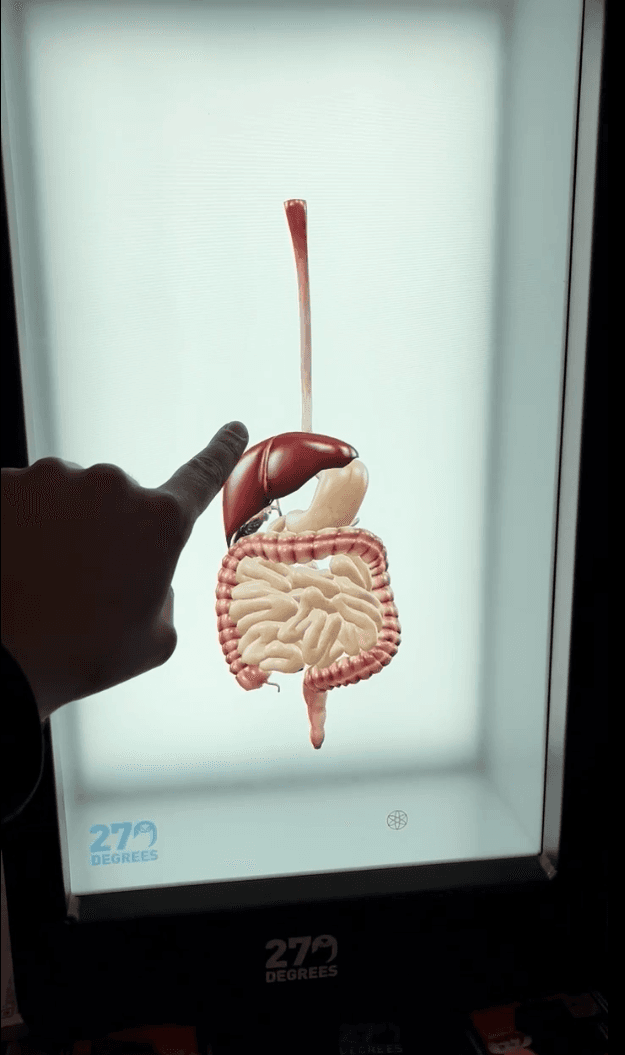
Holograms give patients clearer information, give clinicians presence across distance, and extend the reach of specialist care, at hospital, clinic, and pharmacy scale.
Read the article
El Confidencial profiles holographic care from Crescent Regional Hospital to a future where AI driven holograms support astronauts on long-duration space missions.
Read the article
The global shortage of healthcare workers is forecast to reach 10 million by 2030. Holographic specialists let one clinician serve many sites, without travel, without delay.
Read the article